Ever wondered where the origin of badminton came from? It’s not just a game you play in your backyard or at family gatherings, it’s a sport with a rich, fascinating history that spans centuries and continents. From ancient civilizations to modern Olympic arenas, the story of badminton is a testament to how games evolve and bring
people together.
What is Badminton?
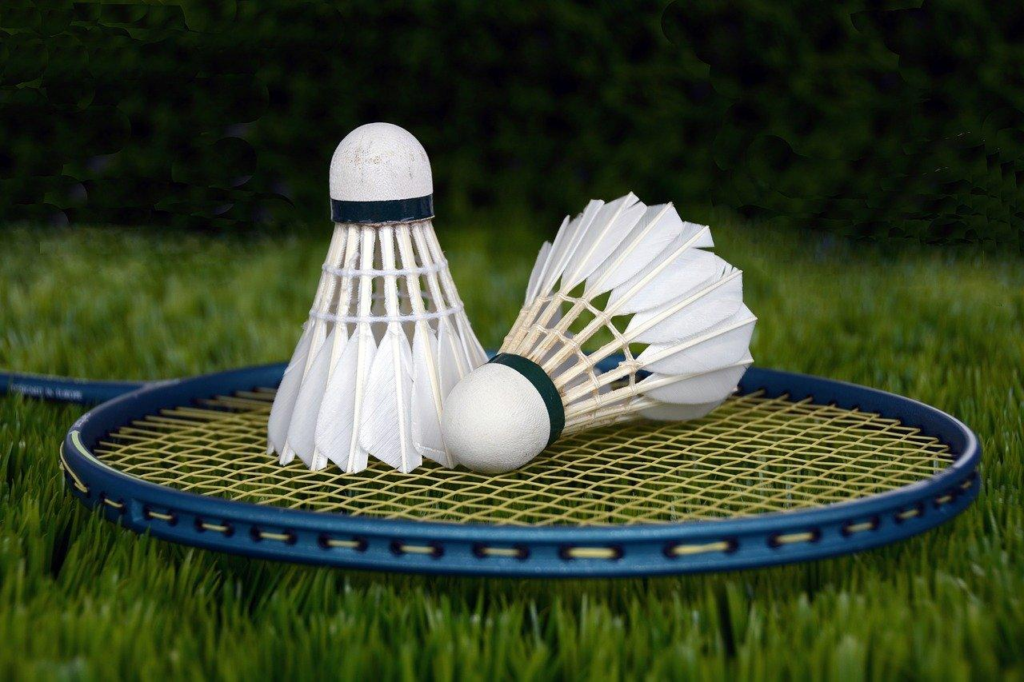
If you’ve ever picked up a racket and tried to keep a shuttlecock in the air, you’ve experienced the joy (and occasional frustration) of badminton. It’s a fast-paced racket sport that can be played casually or competitively, indoors or outdoors. Whether you’re playing singles or doubles, the goal is simple: hit the shuttlecock over the net and land it in your opponent’s court. But don’t let the simplicity fool you, badminton requires agility, precision, and a whole lot of strategy.
Ancient Origins: Where It All Began
Believe it or not, the origin of badminton goes way back. Long before it became an Olympic sport, people were playing games that looked a lot like badminton. One of the earliest versions was called “battledore and shuttlecock,” where players used small paddles (battledores) to keep a shuttlecock in the air. It was a fun way to pass the time and sharpen hand-eye coordination.
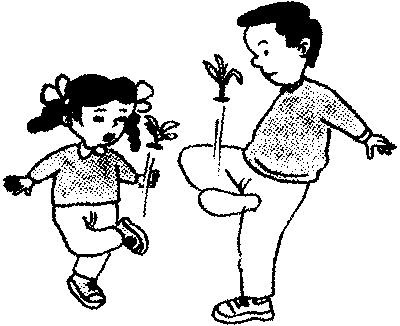
Ancient China: Around 400 BC, the Chinese were playing a game called Ti jian zi, where they used their feet to keep a shuttlecock airborne. Think of it as hacky sack meets badminton!
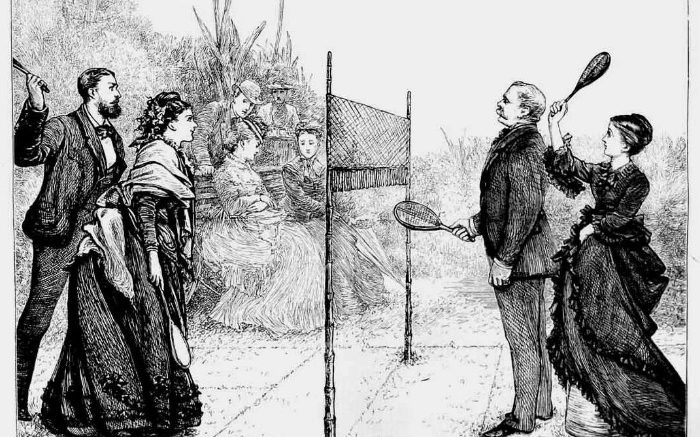
India: In India, a similar game called Poona was popular. British soldiers stationed there in the 19th century picked up the game and brought it back to England, where it started to take on a more formal structure.
How Badminton Evolved Over Time
Fast forward to the 1800s, and badminton began to take shape as we know it today. British army officers in Pune, India, hosted outdoor parties where they played a version of the game called Poona. It was a hit—literally and figuratively. 🏸
But the real turning point came in 1873, when the Duke of Beaufort hosted a party at his estate, Badminton House in Gloucestershire, England. Guests played the game, and it quickly gained popularity. In fact, the sport was named after the estate! From there, formal rules were established, and badminton clubs began popping up across England.
The Game We Know Today
By the late 19th century, badminton was well on its way to becoming a modern sport. The Bath Badminton Club was founded in 1877, and the Badminton Association of England followed in 1893, setting the stage for standardized rules.
The sport’s global reach expanded in 1934 with the formation of the International Badminton Federation (now known as the Badminton World Federation). But the real game-changer came in 1992, when badminton made its Olympic debut at the Barcelona Summer Games. Suddenly, the world was watching as players from around the globe battled it out on the court.
Badminton Across The Globe
Today, badminton is more than just a backyard pastime—it’s a global phenomenon. Some countries have taken the sport to new heights, producing world-class players and dominating international competitions.
China: If badminton were a kingdom, China would be its reigning monarch. With a powerhouse team of players and coaches, China has consistently dominated the sport.
Indonesia: This Southeast Asian nation is another badminton giant, known for its legendary players and passionate fan base.
Denmark: While most of the top players come from Asia, Denmark has carved out a niche for itself in Europe, thanks to its strong training programs and grassroots development.

Conclusion: Why Badminton’s History Matters
The origin of badminton is more than just a timeline of events—it’s a reminder of how games can transcend cultures, connect people, and evolve over time. From ancient shuttlecock games to Olympic glory, badminton has come a long way.
So, the next time you pick up a racket or watch a match, take a moment to appreciate the rich history behind this incredible sport. Whether you’re a casual player or a die-hard fan, you should check out this post about badminton rules to learn more about the specifics of badminton!
Leave a Reply